


The backbone of any reliable refrigeration system in the food production industry is the evaporator coil. This crucial component is pivotal for maintaining precise temperature control, ensuring product freshness, and adhering to food safety regulations. To fully appreciate the value brought by top-tier evaporator coils, it’s necessary to understand their mechanics, efficiency, and the role they play in cooling applications.
Understanding Evaporator Coils and Their Role in Refrigeration
Evaporator coils are the unsung heroes of refrigeration and air conditioning systems. They function by absorbing heat from the surrounding environment, effectively lowering the temperature of the space or products being cooled. This is accomplished through a refrigerant that flows within the coils, transitioning from liquid to gas as it absorbs heat and carries it away from the source.
The performance of evaporator coils is critical in food production, where precise temperature control can make the difference between fresh and spoiled goods. High-quality coils are designed for rapid heat absorption, ensuring quick and consistent cooling.
For a chilling solution that optimizes efficiency, selecting the right Bobinas de evaporador can be critical. These components must be matched to specific system requirements to provide optimal thermal transfer and minimize energy usage, reinforcing the importance of expert design and selection in refrigeration applications.
Maximizing Cold Chain Efficiency With Advanced Evaporator Coil Technology
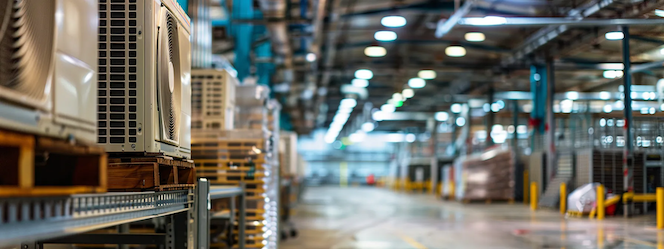
The cold chain is a temperature-controlled supply chain that is imperative for preserving and extending the shelf life of perishable foods. Advanced evaporator coil technology ensures this chain is maintained without interruption. Evaporator coils with improved heat exchange capabilities are core to achieving the utmost efficiency, thus saving energy and reducing operational expenses over time.
One significant trend is the use of smart refrigeration systems that automatically adjust cooling parameters, relying on sophisticated evaporator coils and sensors. These systems ensure temperatures are kept constant and adapt to changing conditions, such as fluctuations in production or storage loads, which helps to minimize waste and energy use.
Manufacturers are focusing on constructing coils that can withstand harsh environments without compromising performance. This includes using materials resistant to corrosion or the buildup of bacteria, two common issues that can adversely affect the cold chain.
Evolving regulations and standards in the food industry continually raise the bar for refrigeration equipment. The application of advanced evaporator coil technology is a proactive step that businesses can take to ensure they’re not only compliant today but also prepared for future requirements, solidifying their place in a competitive market.
The Impact of Evaporator Coil Quality on Food Preservation and Safety
When it comes to food preservation, the integrity of an evaporator coil plays a significant role. Higher quality coils equate to more reliable temperature regulation, which is pivotal for maintaining the freshness and safety of perishable goods. A coil that functions efficiently can prevent harmful bacteria growth and stave off the risk of foodborne illnesses.
Evaporator coils of exceptional quality are designed to achieve maximum thermal efficiency. This reduces the time it takes for food products to reach the desired temperatures, essential in processes like blast chilling. A quicker reduction in temperature not only improves safety but also preserves the quality and texture of food items, particularly important for delicate products.
The choice of materials for evaporator coils also impacts food safety. Non-toxic, food-grade materials ensure that there is no threat of contamination during the cooling process. Furthermore, innovative coatings can inhibit the growth of mold and bacteria, adding an additional layer of protection for food products.
Efficient coils reduce the likelihood of system failures and downtimes, which can have catastrophic implications for food safety. Consistent operation minimizes the risk of temperature spikes, protecting against the loss of entire inventories, and upholding a business’s reputation for delivering safe, quality products.
Overall, the nexus between food preservation, quality, and safety converges on the performance of evaporator coils. An investment in high-quality evaporator coils is an investment in the reliability and future-proofing of food production facilities.


